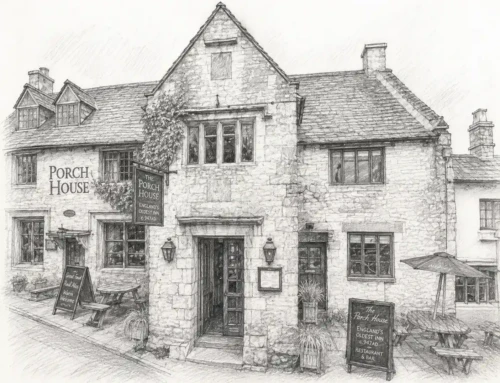
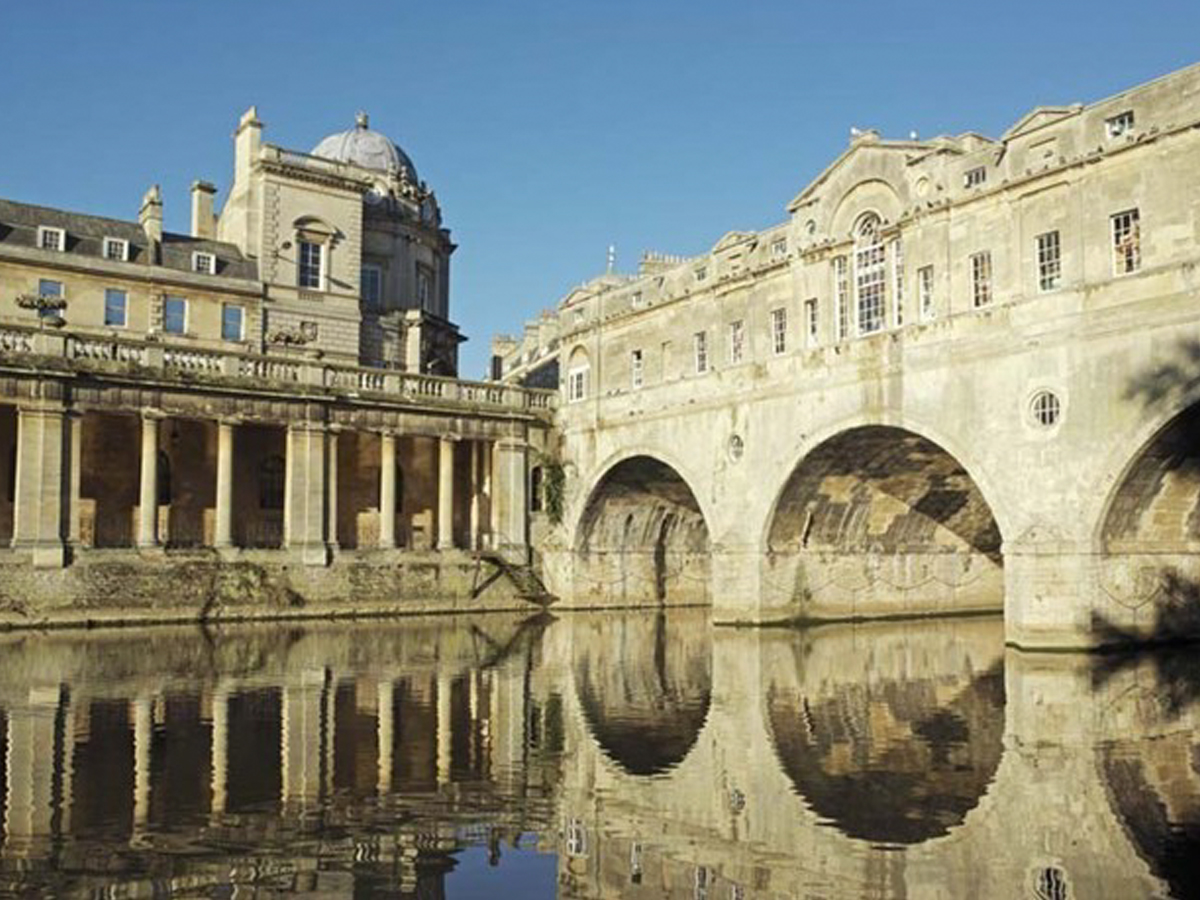
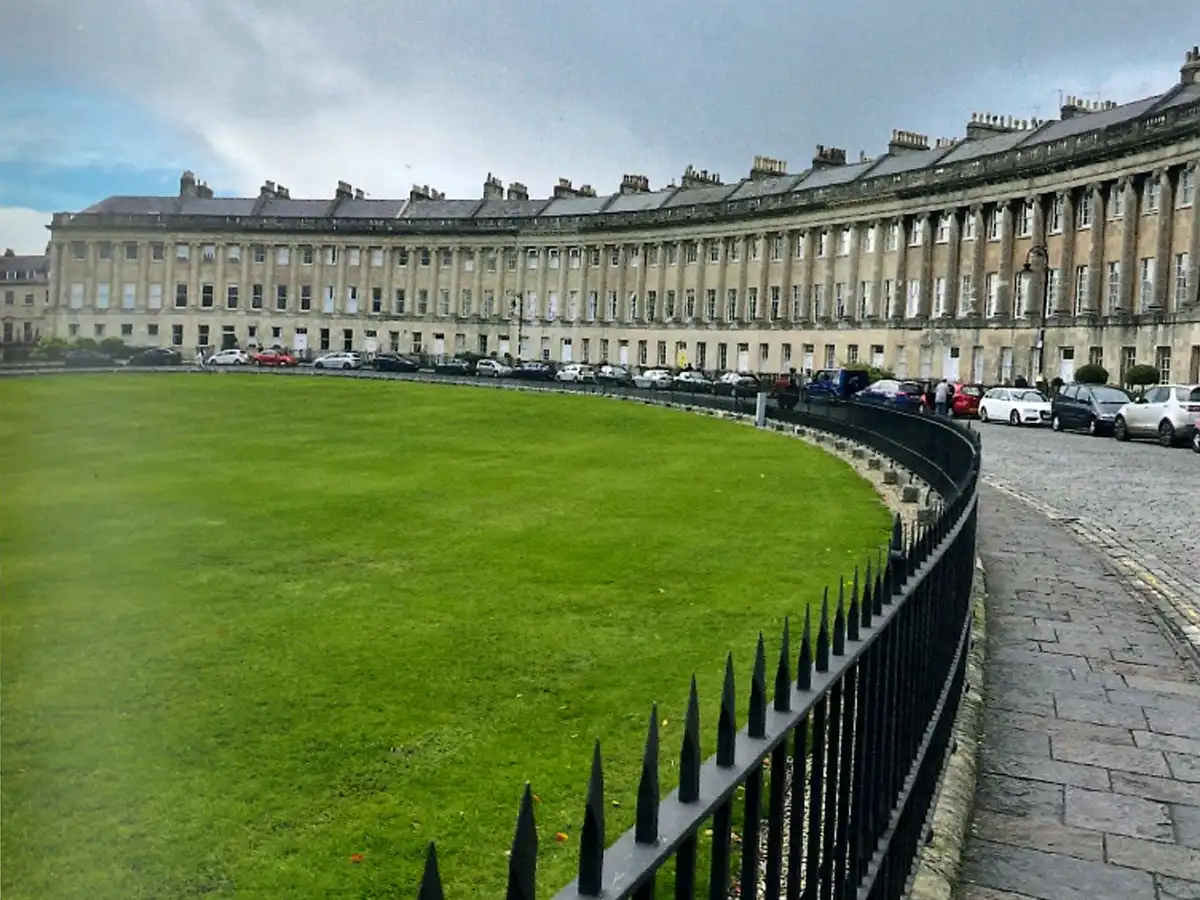
For many visitors, Jane Austen means Bath. The elegant crescents, assembly rooms and gravel walks of Somerset are forever associated with Persuasion and Northanger Abbey. But Regency England did not stop at the edge of the city.
Beyond Bath lies a landscape that feels, in many ways, even closer to the England Austen knew: rolling limestone hills, honey-coloured market towns, gracious manor houses and quiet parish churches. The Cotswolds, just to the north-east, offer an evocative glimpse into the rural world that shaped Regency society.
For travellers seeking to step into Austen’s England, the Cotswolds provide something Bath cannot — space, authenticity and the enduring rhythm of countryside life.
Jane Austen and Regency Society
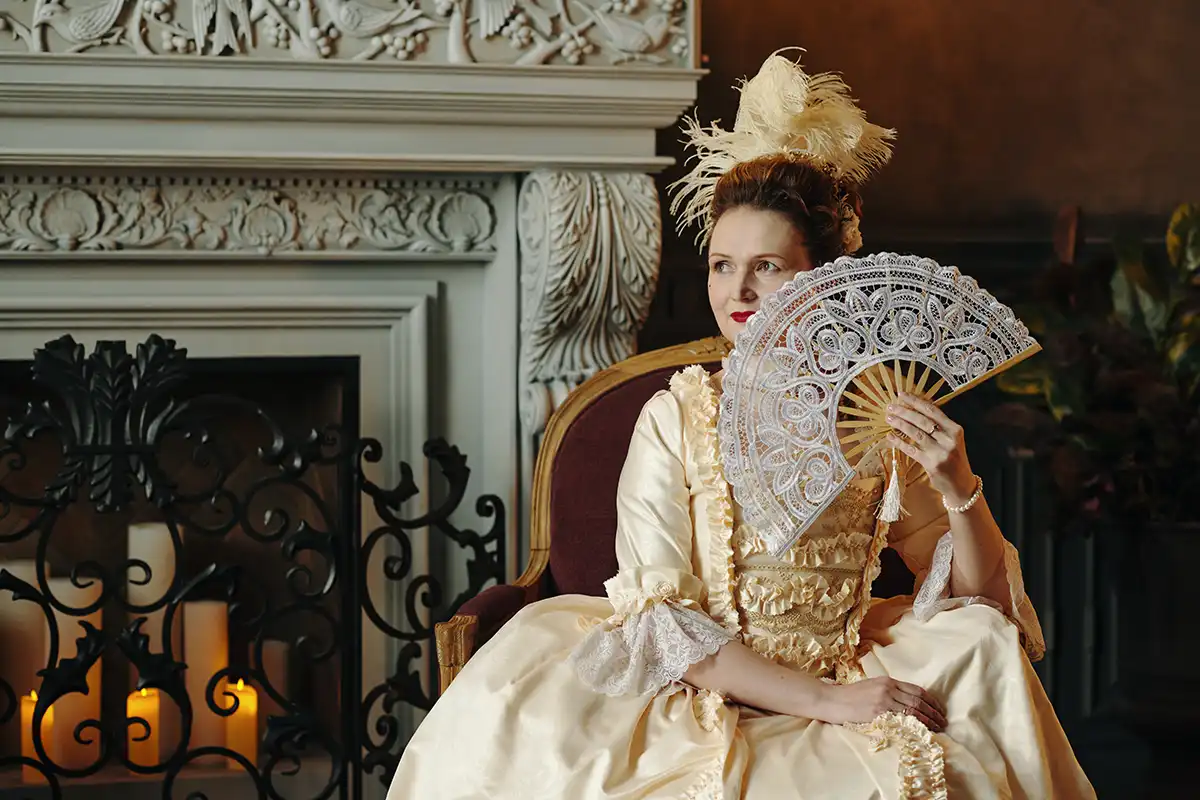
Jane Austen (1775–1817) lived during the Regency period, an era defined by refinement, social mobility and strict codes of behaviour. Her novels explore drawing rooms, inheritances, marriages and misunderstandings — but they are grounded in something deeper: the social geography of rural England.
Austen understood the delicate hierarchy of country towns and landed estates. Her characters move between modest villages and grand houses; fortunes are tied to property; reputations are shaped in assembly rooms and along country lanes.
While Austen herself never lived in the Cotswolds, the region reflects the same social and architectural world that fills her novels. In fact, the limestone villages and manor houses of Gloucestershire and Oxfordshire offer one of the most complete surviving landscapes of Regency England.
The Architecture of Austen’s England
One of the defining visual elements of Austen adaptations is architecture: symmetrical façades, sash windows, classical proportions and refined interiors. The Cotswolds are rich in precisely this architectural language.
Throughout the 18th and early 19th centuries, prosperous wool merchants and landed families built elegant townhouses and country homes across the region. Unlike many parts of industrial Britain, the Cotswolds escaped heavy Victorian redevelopment. As a result, entire streets still appear much as they would have in Austen’s lifetime.
Towns such as:
-
Chipping Campden
-
Stow-on-the-Wold
-
Burford
-
Tetbury
-
Painswick
retain a harmonious blend of late Georgian and Regency architecture. Walking through these streets, with their mellow stone façades and iron railings, it is easy to imagine a carriage arriving or a letter being delivered that might alter a young lady’s future.
Assembly Rooms and Social Life
No Austen narrative is complete without social ritual. Balls, dinners and assemblies provide the dramatic engine of her novels. It is here that alliances are formed, reputations tested and misunderstandings set in motion.
While Bath’s Assembly Rooms are the most famous, they were not unique. Across the Cotswolds and surrounding towns, assembly rooms flourished during the Georgian and Regency periods.
One particularly significant example is Cheltenham.
Cheltenham: Regency Elegance in the Cotswolds
Just on the edge of the Cotswolds, Cheltenham rose to prominence in the late 18th century as a fashionable spa town. By the Regency period, it rivalled Bath in elegance and social ambition.
The discovery of mineral springs transformed Cheltenham into a centre of polite society. Aristocrats and wealthy visitors arrived to “take the waters”, promenade along tree-lined walks and attend balls and concerts.
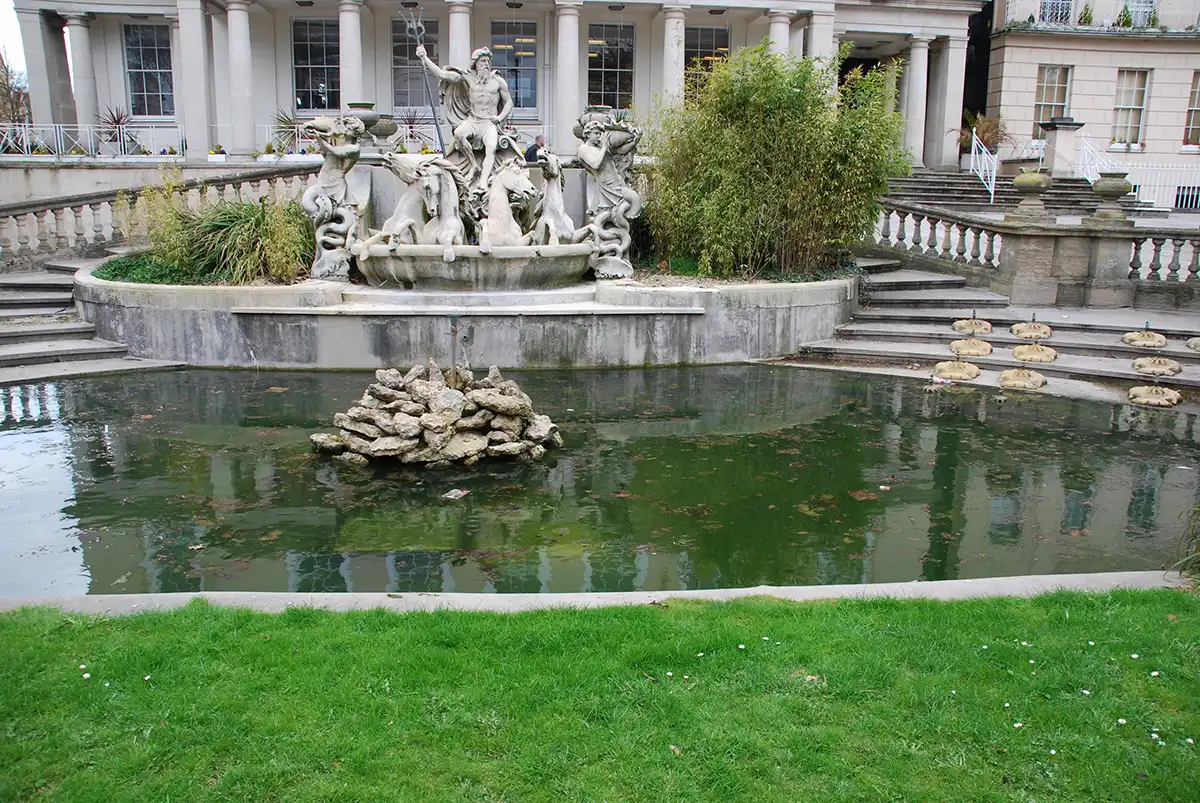
Today, Cheltenham remains one of the finest Regency towns in Britain. Its sweeping terraces, stuccoed villas and formal gardens provide a striking architectural contrast to the rustic stone villages of the surrounding countryside.
For those exploring Jane Austen’s world, Cheltenham offers:
-
Grand Regency terraces
-
Historic pump rooms
-
Formal promenades
-
Landscaped pleasure gardens
-
A strong connection to early 19th-century spa culture
Although Austen is not known to have visited Cheltenham, the town embodies the very social environment she portrayed — aspirational, fashionable and keenly aware of status.
Manor Houses and Country Estates
At the heart of Austen’s novels are country estates: Pemberley, Mansfield Park, Donwell Abbey. These houses symbolise stability, lineage and moral character.
The Cotswolds are scattered with manor houses that evoke the same atmosphere of landed gentility.
Notable examples include:
-
Sudeley Castle (with Tudor origins but Georgian refinement)
-
Snowshill Manor
-
Stanway House
-
Chastleton House (a particularly atmospheric Jacobean estate preserved with later period interiors)
These properties reveal the layered history of English country life — evolving through the centuries yet retaining the social structures familiar to Austen’s readers.
Even smaller manor houses, often hidden behind stone walls and long drives, reflect the economic foundations of Regency society: land ownership, agricultural wealth and inherited position.
Market Towns and Everyday Life
Austen’s genius lies not only in grand houses but in her portrayal of everyday village life. The gossip, visiting patterns and subtle rivalries of small communities drive much of her storytelling.
Cotswold market towns still revolve around medieval market squares and parish churches. Weekly markets, independent shops and long-established inns echo a rhythm of life that has changed remarkably little.
Strolling through a town such as Stow-on-the-Wold or Burford, visitors experience:
-
Central squares where livestock once traded
-
Coaching inns that welcomed travellers from London
-
Parish churches central to social life
-
Independent shops occupying historic premises
The atmosphere is intimate rather than grand — closer to Austen’s fictional Meryton or Highbury than to Bath’s sweeping crescents.
Film and Television Connections
Although Jane Austen adaptations are often filmed in various parts of England, the Cotswolds have frequently provided the perfect backdrop for Regency drama.
The region’s unspoilt villages and stately homes have appeared in numerous period productions. Directors value the consistency of the honey-coloured stone, minimal modern intrusion and preserved streetscapes.
For visitors inspired by adaptations of Pride and Prejudice, Emma or Sense and Sensibility, the Cotswolds offer landscapes that feel immediately recognisable — even if they cannot always be tied to a single filming location.
Beyond Bath: Why the Cotswolds Feel More Intimate
Bath represents the height of Georgian urban sophistication. The Cotswolds, by contrast, reveal the quieter rural context that underpinned Regency society.
Here, the scale is gentler. Roads wind between dry-stone walls. Villages sit within shallow valleys. Manor houses rise discreetly from landscaped grounds.
In many ways, this is the England that shaped Austen’s sensibilities: a world where fortunes depended on land, where introductions mattered and where community life was both comforting and claustrophobic.
For travellers wishing to understand Austen beyond the theatrical grandeur of Bath, the Cotswolds provide a deeper, more textured experience.
Visiting the Cotswolds from London
One of the advantages of exploring Regency England beyond Bath is accessibility.
Direct trains from London Paddington reach the northern Cotswolds in around 90 minutes. From there, a carefully planned itinerary can include:
-
Historic market towns
-
Regency spa architecture in Cheltenham
-
Country estates and manor houses
-
Traditional villages untouched by modern development
For visitors without a car, a guided tour allows for a seamless exploration of multiple locations in a single day.

Experiencing Regency England Today
The enduring appeal of Jane Austen lies in her understanding of human nature — ambition, romance, pride and vulnerability — all set within the social framework of Regency England.
The Cotswolds offer a rare opportunity to step into that framework. Here, architecture, landscape and social history converge to create a setting that feels authentic rather than reconstructed.
From the refined terraces of Cheltenham to the quiet dignity of Cotswold manor houses, the region reveals a version of Regency England that is both elegant and grounded.
For those inspired by Austen’s novels, venturing beyond Bath into the Cotswolds provides not simply another destination, but a fuller understanding of the world she so perceptively observed.