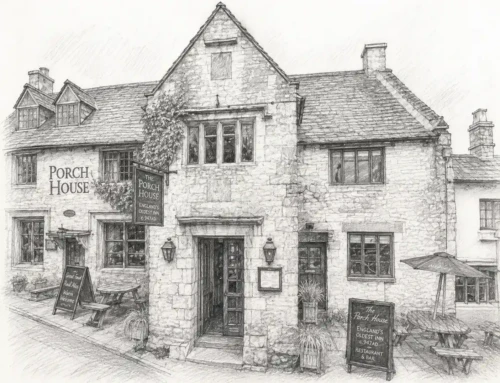
The Cotswolds is one of England’s most beautiful regions, but not every village can be experienced from the window of a coach. In fact, some of the most memorable places are precisely those that large tour buses cannot easily reach.
Narrow lanes, historic village streets, limited parking and protected rural settings mean that many of the Cotswolds’ most atmospheric villages are best explored in a small group, travelling by car and continuing on foot. This is where a private local guide makes all the difference.
With Cotswolds Travel, your day is not about joining a crowd or following a fixed coach route. It is about slowing down, stepping into quieter corners of the countryside and discovering the stories, details and local character that many visitors miss.
Why the Real Cotswolds Is Often Beyond the Coach Route
Large coach tours have their place, but they are naturally limited by access. Coaches need wide roads, turning space and suitable parking. That often means they return again and again to the same well-known stops.
The Cotswolds, however, was not designed for mass tourism. Its villages grew around wool, farming, churches, mills, manor houses, river crossings and market routes. Many of the lanes remain narrow, the buildings sit close to the road, and the most charming places are often those where modern traffic feels least at home.
Travelling with a local guide gives you the freedom to visit smaller villages and quieter viewpoints that are difficult or impossible for coaches to include. You can pause for a photograph, take a gentle walk through a churchyard, follow a stream through a village, or stop to hear the story behind a building you might otherwise pass without noticing.
Painswick: A Village of Stone, Stories and the Famous 99 Trees
Painswick is one of the great hidden treasures of the Cotswolds. Known as the “Queen of the Cotswolds”, it has an elegance and atmosphere all of its own, with steep streets, honey-coloured buildings, historic houses and far-reaching views across the surrounding hills.
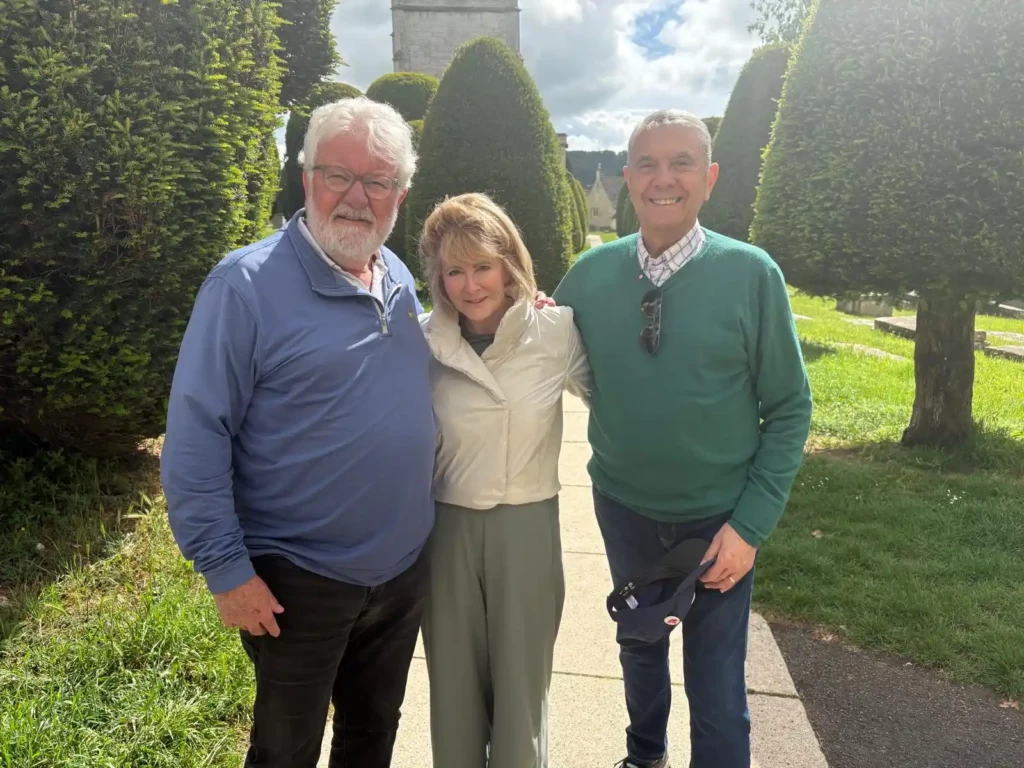
One of its most memorable sights is the lychgate of St Mary’s Church, a beautiful timbered entrance that frames the churchyard beyond. It is a place that rewards more than a quick glance. With John as your guide, you begin to understand not only what you are looking at, but why it matters.
The churchyard at Painswick is famous for its clipped yew trees, traditionally said to number 99. Local legend claims that whenever a hundredth tree is planted, it will not grow. Whether taken as folklore or village tradition, it is exactly the sort of detail that brings a place to life when explained by someone who knows the Cotswolds well.
A local guide can point out the stories hidden in plain sight: the age of the buildings, the importance of the wool trade, the traditions connected with the churchyard, and the small architectural details that reveal how people once lived, worked and worshipped here.
Lower Slaughter: Quiet Beauty Beside the Water
From Painswick, a private tour can continue towards some of the smaller villages that are often difficult for larger groups to explore properly. Lower Slaughter is one of the most picturesque villages in the Cotswolds, but its charm lies in its scale.
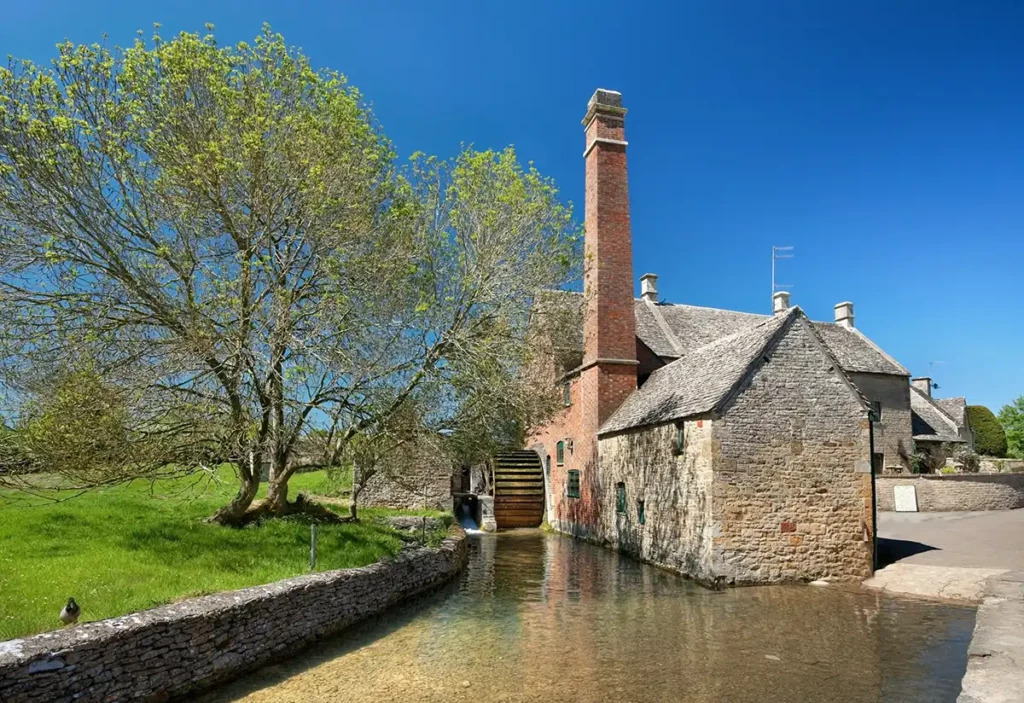
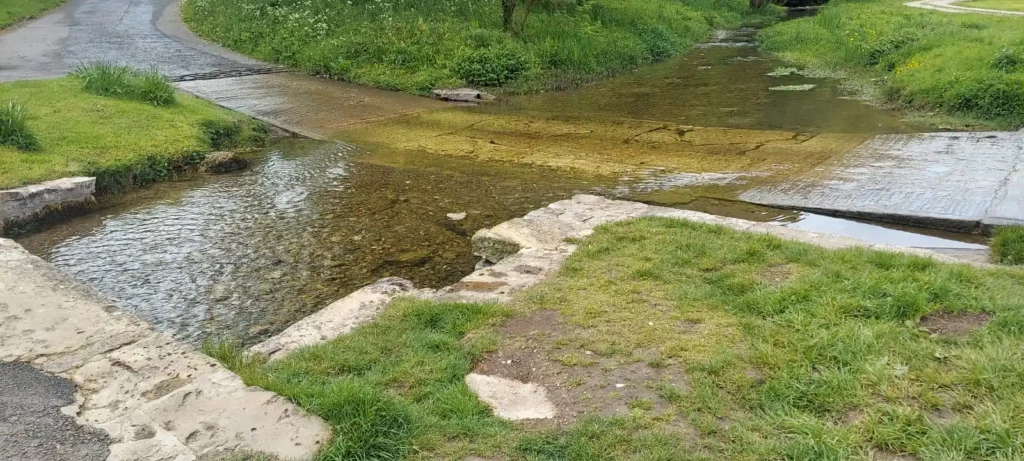
This is not a place to rush. The River Eye runs gently through the village, passing low stone bridges, grassy banks and traditional Cotswold cottages. The old mill, with its waterwheel and riverside setting, is one of the classic views of the village.
Because Lower Slaughter has limited access and is best appreciated on foot, it is ideally suited to a small guided visit. You can wander at a relaxed pace, pause by the water, take photographs and hear how the village developed around the river and mill. It is the kind of place where travelling in a small group feels not just more comfortable, but more respectful.

Upper Slaughter: A Peaceful Village Away from the Main Tourist Trail
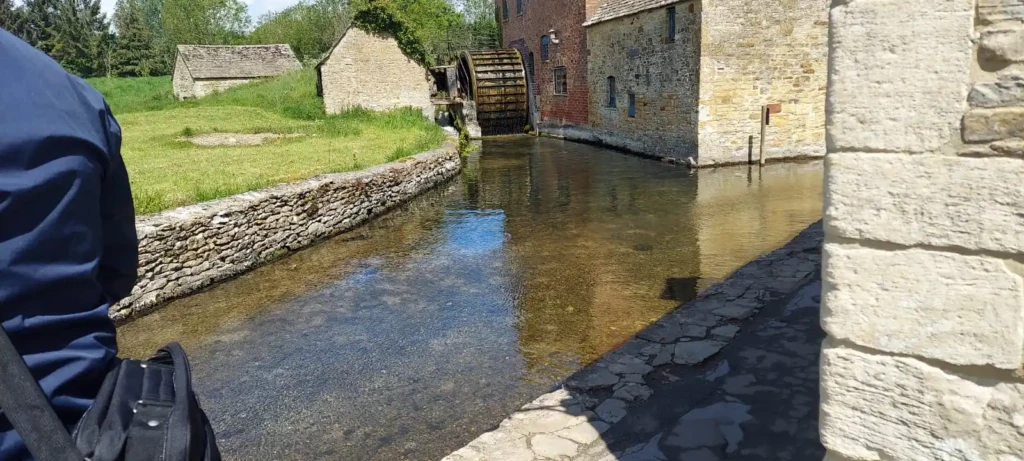
Nearby Upper Slaughter has a quieter, more secluded feel. It is often overlooked by visitors rushing between better-known destinations, yet that is part of its appeal.
The village sits in a peaceful landscape of stone cottages, green spaces and gentle countryside. It is the sort of place where the Cotswolds still feels lived-in rather than staged for visitors. Without a local guide, many travellers might not think to stop here — or might not know how to connect it naturally with neighbouring villages.
Exploring Upper and Lower Slaughter together gives a wonderful sense of the Cotswolds at its most intimate: small-scale, historic, beautiful and best discovered slowly.
Local Knowledge Makes the Difference
A guide does more than drive you from one pretty village to another. The value lies in the knowledge, context and conversation along the way.
John can explain why certain villages developed where they did, how the wool trade shaped the landscape, why churches are such important landmarks, and how small architectural clues reveal centuries of local history. He can also adapt the day to suit your interests, whether you enjoy photography, churches, gardens, gentle walks, historic buildings or simply beautiful scenery.
This kind of local knowledge transforms a visit. A lychgate becomes more than an old wooden entrance. A churchyard becomes a place of legend. A watermill becomes part of a wider story about village life. A quiet lane becomes a reminder that the Cotswolds is not just a destination, but a living landscape.

Avoiding the Crowds Without Missing the Highlights
Choosing a private Cotswolds tour does not mean missing the famous places. It means experiencing the area in a more thoughtful way.
Many visitors want to see iconic villages such as Bourton-on-the-Water, Bibury, Stow-on-the-Wold or Broadway, and these can certainly be included where appropriate. But a private tour also allows you to balance the better-known stops with quieter villages that coaches cannot easily reach.
That balance is often what makes the day special. You see the places you have heard about, but you also discover the lanes, churches, views and villages that feel like your own private find.
The Cotswolds by Car and Foot
The best way to explore these smaller villages is not by coach, and not by trying to navigate everything alone. It is by travelling with someone who knows the roads, understands the timings and can guide you through the places on foot once you arrive.
A private car allows you to move comfortably between villages. Walking allows you to experience them properly. Together, they create a relaxed and personal way to see the Cotswolds — without the pressure of parking, planning or following the crowds.
For couples, families and small groups, this is one of the most rewarding ways to explore the region.
See the Real Cotswolds with Cotswolds Travel
The Cotswolds is at its best when you have time to look closely. The curve of a lane, the sound of water beside a mill, the view through a churchyard gate, the legend of 99 yew trees — these are the details that stay with you long after the day is over.
With Cotswolds Travel, John can take you beyond the standard coach-tour route and into villages that reveal a quieter, more authentic side of the region. From Painswick and its famous churchyard to the timeless beauty of Lower and Upper Slaughter, a private guided tour gives you the freedom to avoid the crowds and discover the real Cotswolds.
For visitors who want more than a checklist of busy stops, this is the Cotswolds as it should be experienced: personal, peaceful, beautifully paced and full of stories.