The Cotswolds is one of the most beautiful rural regions in England, but it is not always the easiest place to explore without a car. On a map, the villages look close together. In reality, they are often separated by winding lanes, steep valleys, limited bus routes and long gaps between services.
That does not mean you need to drive. In fact, many visitors prefer not to. If you are travelling from London, Oxford, Bath, Stratford-upon-Avon or elsewhere in the UK, arriving by train can be one of the easiest and most relaxing ways to begin your Cotswolds day.
The key is understanding what public transport can do well — and where it becomes limiting.
A train can bring you conveniently to the edge of the Cotswolds. A bus may help in certain places. But if you want to see the smaller villages, hidden viewpoints, quiet lanes and countryside that make the Cotswolds so memorable, a local private tour can make the difference between a complicated travel day and a genuinely enjoyable one.
Can you visit the Cotswolds without a car?
Yes, you can visit the Cotswolds without a car. Many visitors do exactly that, especially those coming from London for a day trip or short break.
The Cotswolds has several useful railway stations, including Moreton-in-Marsh, Kingham, Charlbury, Kemble, Stroud, Cheltenham Spa and Bath Spa. These stations connect the region with London Paddington and other major towns and cities. Great Western Railway lists the Cotswolds and Malverns line among its current timetable routes, while National Rail provides live journey planning for train times, fares and connections. (Great Western Railway)
However, the Cotswolds is not a single destination. It is a large rural area covering parts of Gloucestershire, Oxfordshire, Warwickshire, Worcestershire and Wiltshire. The places visitors most want to see are often not beside the railway line.
That is where planning matters.
A no-car Cotswolds trip works best when you separate the journey into two parts:
First, use the train to reach a practical gateway station.
Then, use a local guide, private transfer or carefully planned bus connection to explore the countryside beyond the station.
What is easy by train?
The train is the easiest part of a car-free Cotswolds visit.
- For visitors from London, direct or convenient rail services from London Paddington can bring you into the Cotswolds without the stress of motorway traffic, unfamiliar roads or village parking. Moreton-in-Marsh is one of the most useful arrival points for the North Cotswolds, while Kingham is excellent for places such as Chipping Norton, the Evenlode Valley and nearby villages.
- Kemble is useful for Cirencester and the southern Cotswolds. Charlbury works well for the eastern edge of the region. Cheltenham Spa gives access to a larger town with good onward connections, while Bath Spa is a natural base for exploring the southern side of the Cotswolds.
- For many visitors, the train also makes the day feel more relaxed. Instead of collecting a hire car, adjusting to driving on rural roads or searching for parking in busy villages, you can sit back and enjoy the journey.
- From London Paddington, the route towards the Cotswolds gives you a gradual transition from city to countryside. By the time you reach places such as Kingham or Moreton-in-Marsh, you are already close to some of the region’s best-known villages, market towns and landscapes.
- The train works especially well if your plan is simple:
- You want to arrive at one station, spend the day with a guide, and return from the same station later.
- You want to avoid driving but still see several villages in one day.
- You want to make the most of limited time.
- You want a low-stress day trip from London.
In these cases, train plus private tour is often the most practical combination.
Which Cotswolds stations are best for a no-car visit?
The best station depends on the part of the Cotswolds you want to explore.
Moreton-in-Marsh
Moreton-in-Marsh is one of the most popular arrival points for visitors coming from London. It is well placed for the North Cotswolds and gives access to places such as Stow-on-the-Wold, Bourton-on-the-Water, Lower Slaughter, Upper Slaughter, Chipping Campden, Broadway and Blockley.
Moreton-in-Marsh itself is a historic market town, so it is possible to arrive by train and have a short look around without needing onward transport. However, if you want to visit several villages in the same day, you will quickly need a plan beyond walking distance.
Kingham
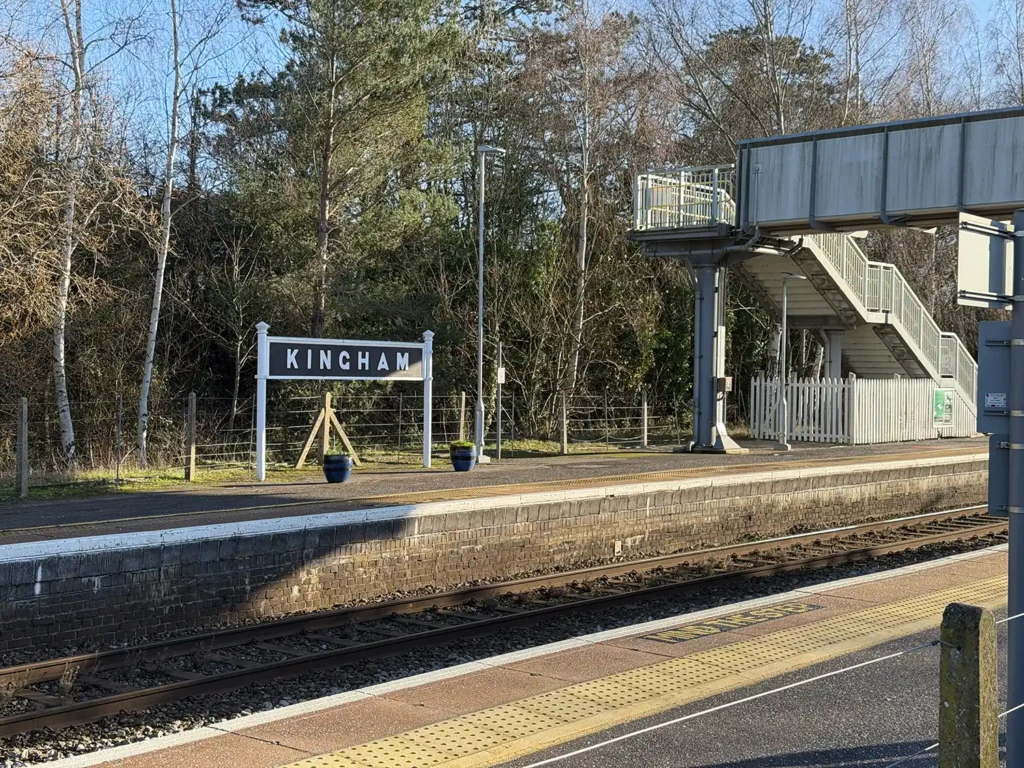
Kingham is a smaller station but a very useful one. It is well placed for a quieter and more rural Cotswolds experience. From Kingham, a private tour can take you into beautiful countryside, lesser-known villages and places that are not always easy to combine by public transport.
Kingham is especially useful if you want a more personal day away from the busiest visitor routes.
Charlbury
Charlbury is another attractive train option, particularly for the eastern Cotswolds and the Oxfordshire side of the region. It can work well for visitors who want a softer, less crowded introduction to the area.
Kemble
Kemble is the main rail gateway for Cirencester and the southern Cotswolds. Cirencester itself does not have a railway station, so Kemble is often the practical arrival point. From here, visitors can continue by taxi, bus or private tour.
Cheltenham Spa
Cheltenham Spa is useful if you want to combine a Cotswolds visit with Cheltenham, Winchcombe, Broadway or the wider Gloucestershire side of the region. As a larger station, it can also be a practical meeting point.
What is difficult by bus?
Buses do exist in the Cotswolds, and they can be useful. But they are not always designed around sightseeing.
Many routes are planned primarily for local journeys, school runs, shopping trips and essential connections between towns. That means services may be limited, less frequent at weekends, or difficult to combine if you are trying to visit several villages in a single day.
For example, Pulhams Coaches lists Cotswolds services including routes between Chipping Norton, Moreton-in-Marsh, Bourton-on-the-Water, Andoversford and Cheltenham, as well as routes connecting Bourton-on-the-Water, Northleach, Bibury and Cirencester. (Pulhams Coaches) Stagecoach also provides bus journey planning and live timetable information, which is helpful for checking current services before travelling. (Stagecoach)
The difficulty is not usually whether a bus exists. The difficulty is whether the bus allows you to have the kind of day you imagined.
A route may run through the right places but not at the right times. A connection may be possible in one direction but awkward on the way back. A village may be reachable, but only if you are happy to wait a long time for the next service. A journey that takes 20 minutes by car might take much longer once you factor in timetables and connections.
This is why bus-only Cotswolds sightseeing can become frustrating.
It may work if you are staying for several days, travelling slowly and happy to focus on one or two places. It is less suitable if you are visiting for the day and want to see a varied mix of villages, countryside and local highlights.
Why the Cotswolds is harder than it looks on a map
One of the most common mistakes visitors make is assuming that short distances mean easy travel.
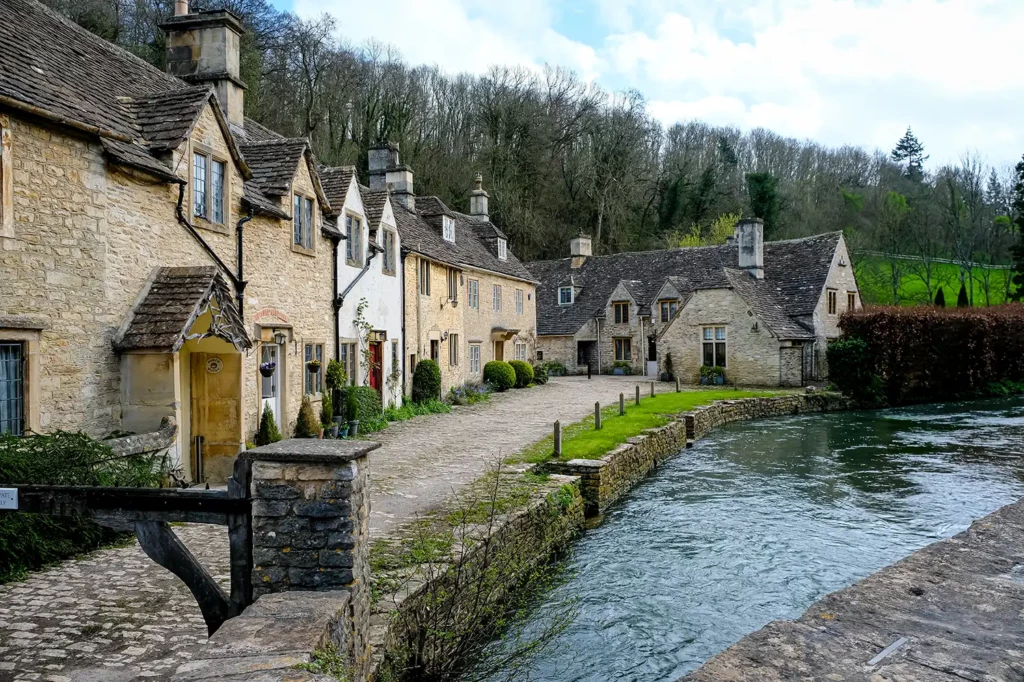
In the Cotswolds, five or six miles can be more complicated than expected. The roads are often narrow and indirect. Villages sit in valleys, on hillsides or along lanes that were never designed for modern visitor traffic. Some of the loveliest places are not on direct public transport routes at all.
Walking between villages can be wonderful, but it needs realistic planning. Paths may cross fields, stiles, lanes and uneven ground. Distances can feel longer than expected, especially in wet weather or with luggage. A walk that looks simple online may not be ideal if you are trying to keep to a train schedule.
Taxis can help, but rural taxi availability can be limited. It is rarely wise to assume that you will be able to find one instantly in a small village.
That is why the best no-car Cotswolds trips are not built around guesswork. They are built around local knowledge.
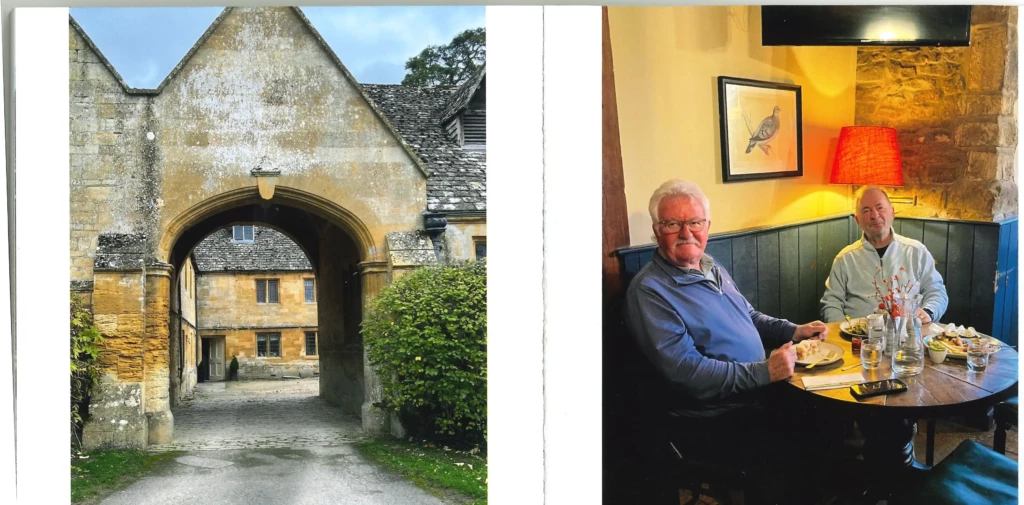
Where a private tour makes the difference
A local private tour bridges the gap between the railway station and the real Cotswolds.
Instead of spending the day checking bus times, waiting for connections or worrying about how to get back to the station, you can be met when your train arrives and taken straight into the countryside.
This makes a huge difference to what you can see in a day.
With a private guide, you are not limited to the places that are easiest for coaches or public transport. You can visit smaller villages, pause at quiet viewpoints, explore lanes and landscapes that most visitors miss, and adjust the pace of the day to suit you.
It also means your itinerary can be shaped around your interests.
If you love historic churches, manor houses and medieval wool towns, your day can lean that way. If you prefer gardens, film locations, village walks, country pubs or hidden hamlets, the route can be adapted. If you want to avoid the busiest places at peak times, a local guide can plan around that too.
The difference is not just transport. It is interpretation.
A guide can explain why the villages look the way they do, how the wool trade shaped the region, why certain buildings matter, where the quieter corners are, and how the landscape connects from one place to the next.
Without that context, the Cotswolds can become a list of pretty stops. With it, the day has a story.
Is a private tour better than hiring a car?
For many overseas visitors, yes.
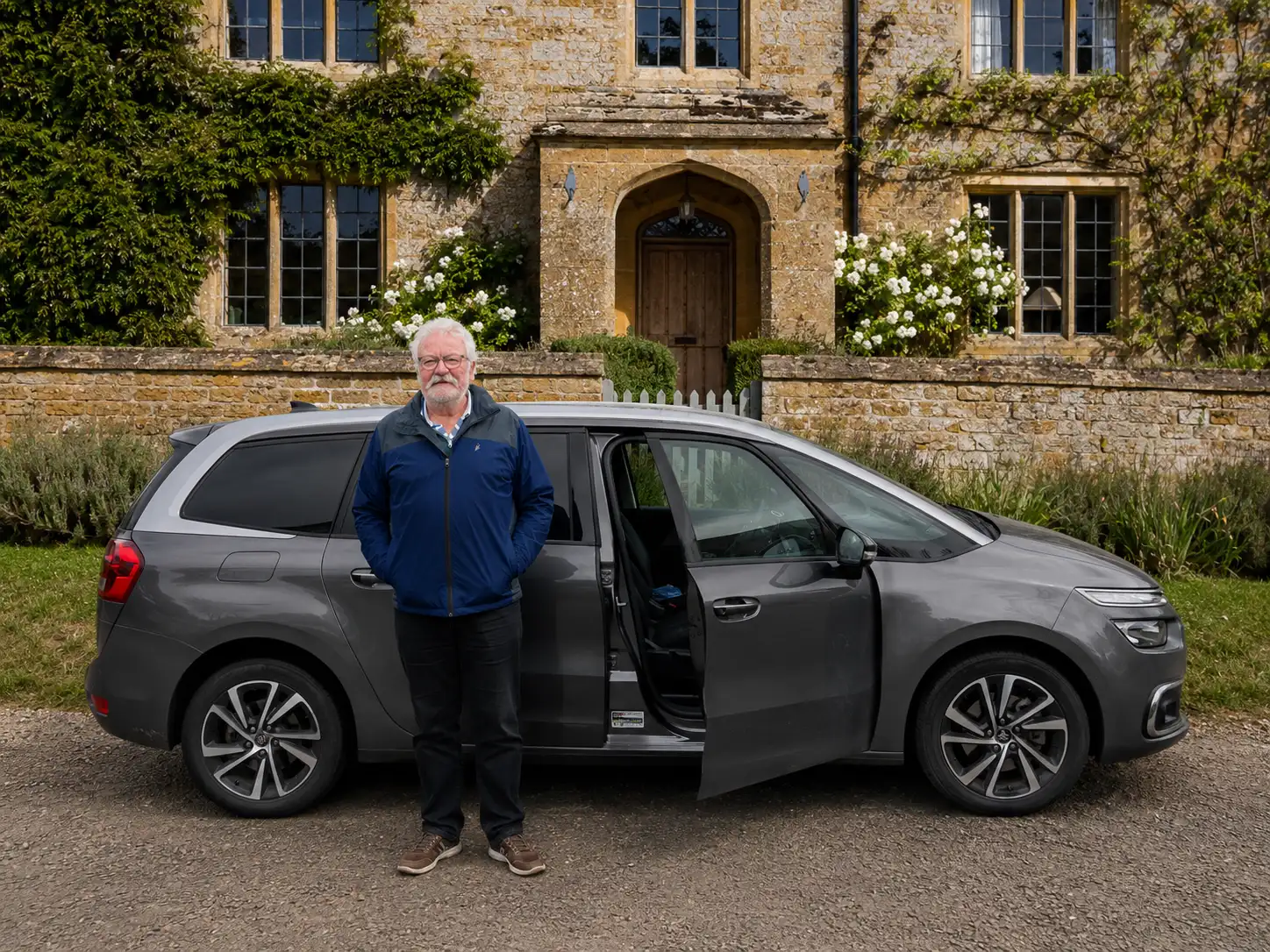
Hiring a car gives flexibility, but it also brings responsibility. You need to navigate unfamiliar roads, drive on narrow lanes, find parking, avoid restricted areas and keep an eye on the time. In busy villages, parking can be one of the least enjoyable parts of the day.
A private tour gives you the flexibility without the stress.
It is particularly useful if you are visiting from London and only have one day. The train removes the long-distance driving, while the tour gives you the local mobility you need once you arrive.
It can also be a better option for couples, families or small groups who want to travel comfortably together, rather than split attention between driving, navigating and sightseeing.
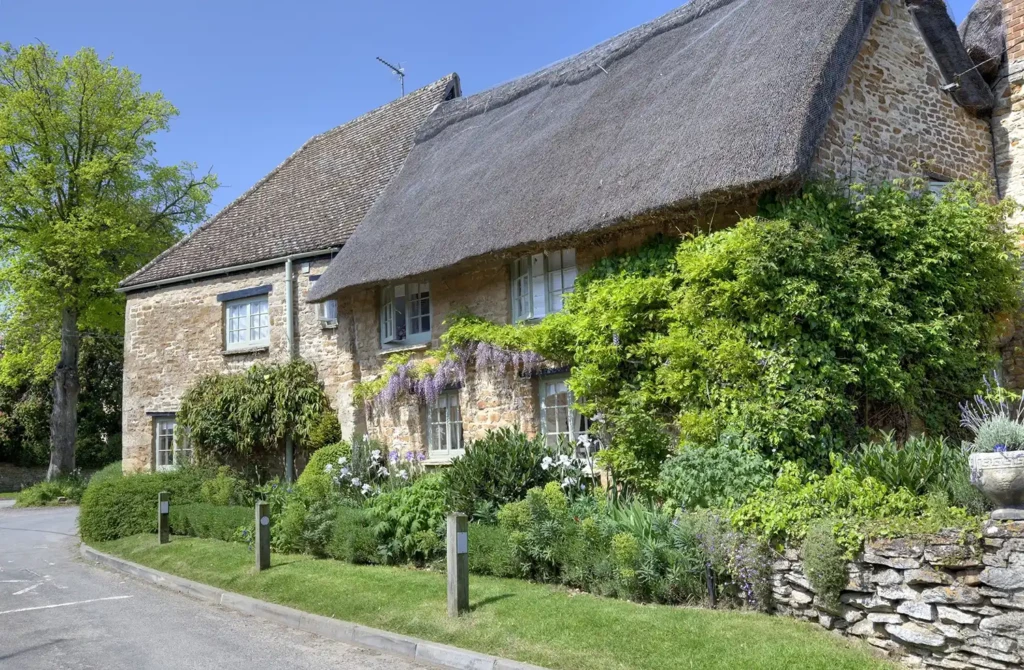
What can you realistically see in one day without a car?
With train travel and a private tour, a one-day Cotswolds visit can be very rewarding.
A realistic day might include a mix of well-known villages and quieter places. For example, you might arrive at Moreton-in-Marsh or Kingham, meet your guide, then spend the day exploring a carefully planned route through nearby villages, scenic lanes and historic market towns.
The exact route should depend on the season, the weather, your train times and how busy certain places are likely to be.
In spring, you may want gardens, blossom and fresh countryside. In summer, longer daylight allows a fuller day. In autumn, the colours can be beautiful in wooded valleys and village streets. In winter, the Cotswolds can be quieter and more atmospheric, especially if you prefer a slower pace.
Trying to do too much is the main risk. The Cotswolds rewards time to pause. A good private tour should not feel like a race from one photo stop to another. It should give you time to look properly, ask questions and enjoy the places you have come to see.
When is public transport enough?
Public transport may be enough if you are happy with a simple plan.
For example, you could take the train to Moreton-in-Marsh, explore the town, have lunch and perhaps use a bus for one additional stop if the timetable works. You could travel to Bath or Cheltenham and use those as larger, easier bases. You could also stay several nights and build a slower itinerary around available train and bus connections.
This can suit independent travellers who enjoy working around timetables and do not mind limiting the number of places they visit.
But if your goal is to see the classic villages, quieter countryside and hidden Cotswolds in a single day, public transport alone will usually feel restrictive.
A better way to plan a no-car Cotswolds day
The best approach is to start with the train, not the village list.
Choose a practical station first. Moreton-in-Marsh and Kingham are excellent for many North Cotswolds routes. Kemble works well for the southern Cotswolds. Cheltenham Spa can be useful for the western side of the region.
Then think about what kind of day you want.
Do you want famous villages or quieter places? Do you want history, gardens, scenery, film locations, shopping, pubs or walking? Are you happy with a full day, or would you prefer a gentler pace? Are you travelling as a couple, family or group?
Once those questions are clear, a local guide can build a route that makes sense geographically and practically.
That is much better than trying to force together a list of places that look close on a map but do not connect easily in real life.
Final thoughts: the Cotswolds without a car is possible — with the right plan
You do not need a car to enjoy the Cotswolds. But you do need a realistic plan.
The train is often the easiest and most comfortable way to reach the region, especially from London. Buses can be useful for certain journeys, but they are not always ideal for sightseeing. Rural taxis can help, but availability should not be taken for granted.
For many visitors, the best solution is a combination: travel by train to a convenient Cotswolds station, then spend the day with a local private guide who knows how to connect the villages, views and stories properly.
That way, you avoid the stress of driving, the limitations of bus timetables and the risk of missing the places that make the Cotswolds special.
The result is a calmer, richer and more memorable day — one shaped around the real Cotswolds, not just the transport map.